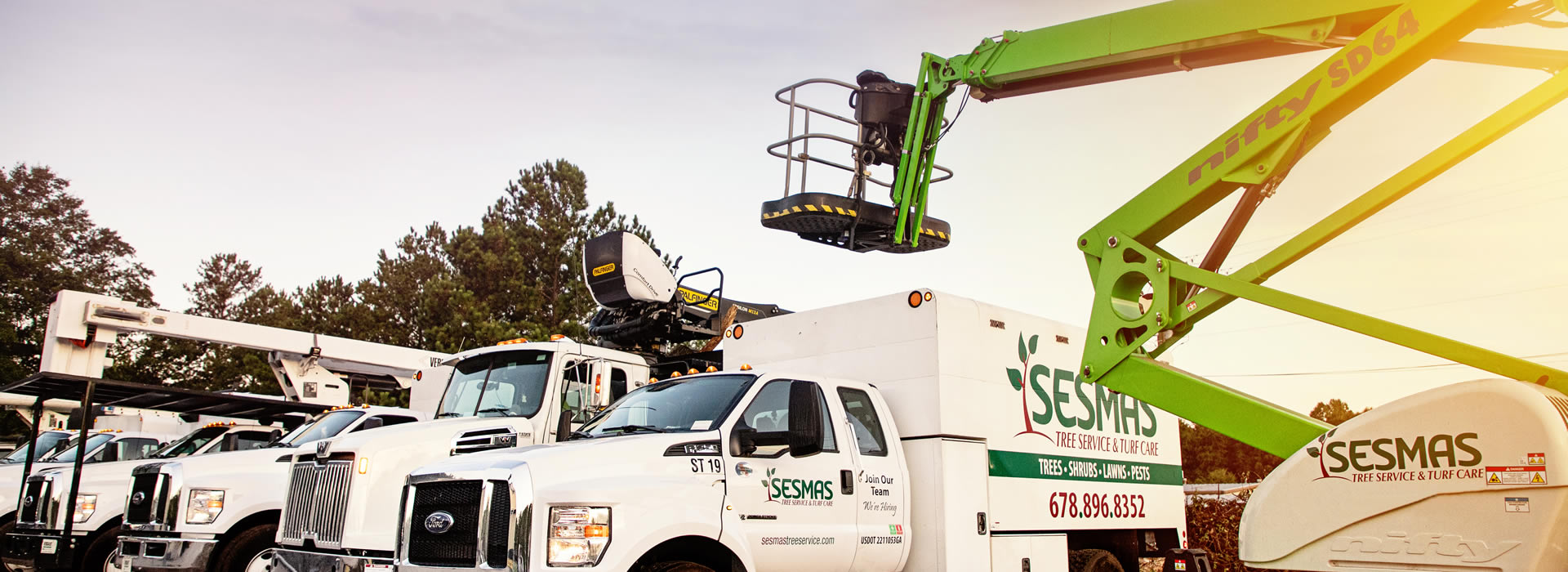
As global temperatures continue to rise, trees and other living things are responding in ways that highlight how deeply interconnected our planet’s system is. With that said, we are seeing major changes in breeding cycles and behavior, all pointing to a growing climate change. At Sesmas Tree Service, we understand that tree species respond differently to seasonal changes. As we approach a new season, the influence of changing temperatures, altered rainfall, and shifting seasonal cycles is becoming more apparent in how trees grow, reproduce, and survive. By understanding these patterns, you can make informed decisions and protect a fragile ecosystem. Let’s delve into how shifting global climate patterns affect local tree species growth.
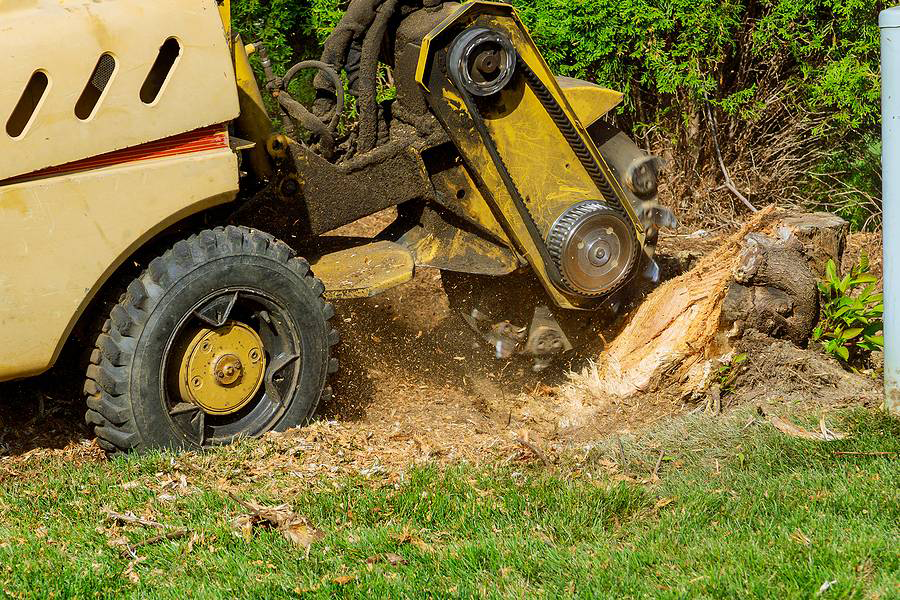
Warmer temperatures are one of the most noticeable aspects of climate change. In many regions across the country, species are experiencing longer growing seasons. Plants may sprout earlier than usual, and some tree species start breeding sooner. At first, this may appear beneficial, but the accelerated timeline can disrupt long-established ecological rhythms. If a tree blooms earlier but pollinators do not adjust at the same pace, the result can be reduced reproduction. While growth may be faster, it is not always healthier or more sustainable.
Rainfall is becoming less predictable in many parts of the country. Some areas are experiencing prolonged droughts, while others face intense and sudden downpours. Constant fluctuations affect soil moisture, water sources, and nutrient availability. Plants that depend on steady rainfall may struggle to establish roots or maintain steady growth. Meanwhile, species adapted to drier conditions may temporarily thrive. This uneven distribution of resources creates a shifting balance, where some species expand while others decline within the same ecosystem.
 Tree Risk Assessment
Tree risk assessment is essentially when a professional arborist analyzes a tree and concludes just how much of a risk it…
Learn More Emergency Tree Services
That inanimate tree standing outside on your lawn may seem harmless, but it can surely cause a lot of damage. There…
Learn More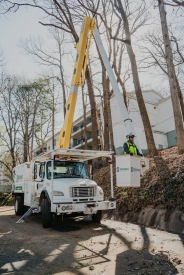 Crane Services
Some tree removals reach a point where standard equipment simply is not enough to do the job safely. Tight clearances, extreme…
Learn More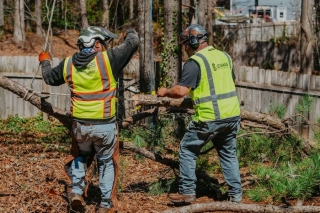 Storm Damage Cleanup
Storms can leave behind broken limbs, split trunks, and fallen trees that block access and threaten nearby structures. In those moments,…
Learn More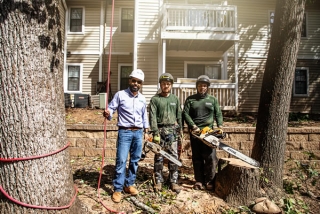 Stump Grinding
So, you have had a tree removed or you plan on removing a tree. What do you do about the stump?…
Learn More Arborist Services
Your Trusted Local Arborists in The Metro Atlanta Trees are a lot more than a trunk, some branches,…
Learn More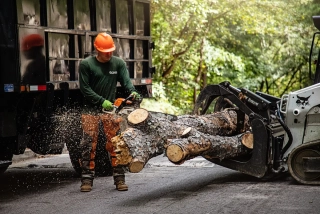 Tree Removal
The reasons for tree removal vary quite a bit. Perhaps you've moved into a new home and want to get…
Learn More Tree Trimming
Are you looking for a reliable tree company for tree trimming or pruning? Sesmas Tree Service offers expert residential and…
Learn MoreAlso known as phenology, seasonal timing plays a crucial role in the life cycle of many species. Climate change not only causes seasonal shifts but also leads to different temperature responses. When these signals are not synchronized, the survival of trees becomes difficult and leads to emergency tree removal. A mismatch between food availability and breeding periods can reduce population growth and even weaken the entire species over time. The last thing you want is to call a tree company for emergency removal due to seasonal changes.
Changing climate conditions can place additional stress on tree species, making them more vulnerable to infections and infestations. High temperatures and humidity levels can create favorable conditions for pathogens to spread more rapidly. Trees weakened by drought or heat stress are less likely to defend themselves against such issues. This combination of environmental pressure and biological stress can significantly alter growth trends within a single season. As a property owner, working with a licensed tree service provider can help you maintain healthy greenery all year round.
As climate zones shift, invasive species often find opportunities to establish themselves in regions where they previously could not survive. These species often grow quickly and outcompete native trees for resources. Since local ecosystems are not adapted to these newcomers, the impact can be severe. Native tree species experience reduced growth rates or even local extinction. This season, the spread of invasive species is becoming an increasingly important factor in shaping local biodiversity.
The effects of shifting global climate patterns are no longer distant concerns, as they unfold within local ecosystems and influence how species grow and interact. While some tree species adapt and even thrive under new conditions, others face significant challenges that threaten their survival. Contact Sesmas Tree Service to book an appointment with our experts and protect biodiversity in your property.
Stay updated with the latest tips, trends, and insights from Sesmas. Explore expert advice on tree care, safety, and maintenance to keep your landscape healthy and beautiful year-round.
View All
As global temperatures continue to rise, trees and other living things are responding in ways that highlight how deeply interconnected our…
Read More.webp)
When it comes to tree removal in Georgia, the job is not complete until you get rid of the eyesore…
Read More
Trees are more than just green giants in our yards; they are magnificent entities that provide numerous benefits. From purifying the…
Read More.webp)
Trees play a crucial role in residential and commercial landscapes. However, these magnificent entities can either be an asset or a…
Read More
A lush, beautiful landscape doesn’t just happen by accident. It requires consistent care, professional oversight, and proactive planning to ensure greenery…
Read More
Trees provide many benefits to our landscapes and the environment. However, certain situations require complete tree removal, such as diseases, obstruction…
Read More
Trees provide numerous benefits, such as shade, curb appeal, and higher property value. However, they can pose serious risks when growth…
Read More.webp)
When heavy rains, strong winds, and ice hit, even healthy and strong trees can become hazardous. The combination of harsh weather…
Read More