
Tree work is dangerous without proper training and equipment. A professional tree company has the knowledge, tools, and insurance to get the work done right - and safely. You’ll save time, reduce risks, and be certain the work is done right.
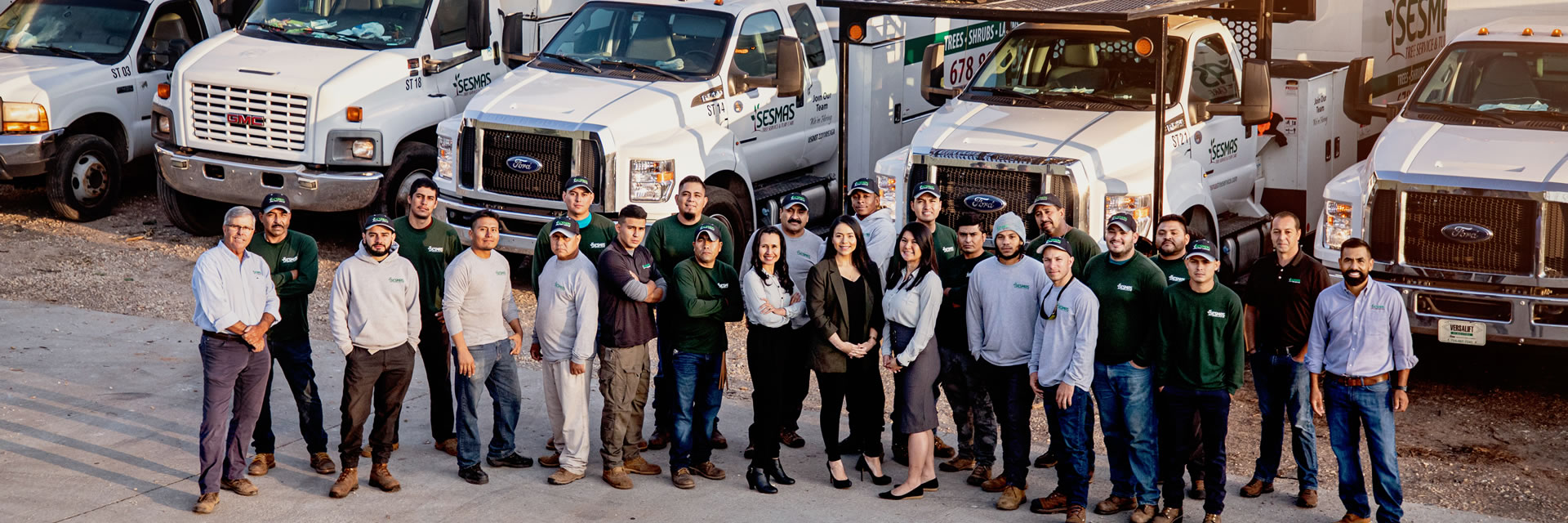
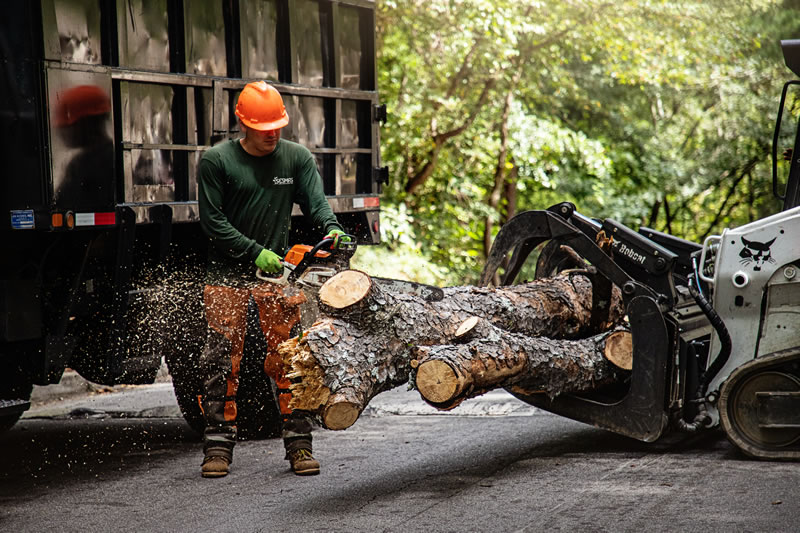
Indian Trail has grown quickly, and many properties now have mature trees positioned closer to homes, fences, and shared property lines than originally planned. That kind of growth changes how removal work needs to be planned and carried out. Sesmas Tree Service provides dependable tree removal service in Indian Trail, North Carolina, and nearby locations. Below, we break down how spacing, access, and neighborhood layout influence tree removal in this area, along with what homeowners should consider before scheduling a service.
When subdivisions go up fast, builders work around existing trees to hit deadlines and keep a mature canopy look. What you end up with is oaks, pines, and maples standing five or ten feet from driveways, garages, and utility boxes. Some trees get boxed in later when pools, sheds, or patched fencing go in around them. Others straddle lot lines because the property was divided after the trees were already growing.
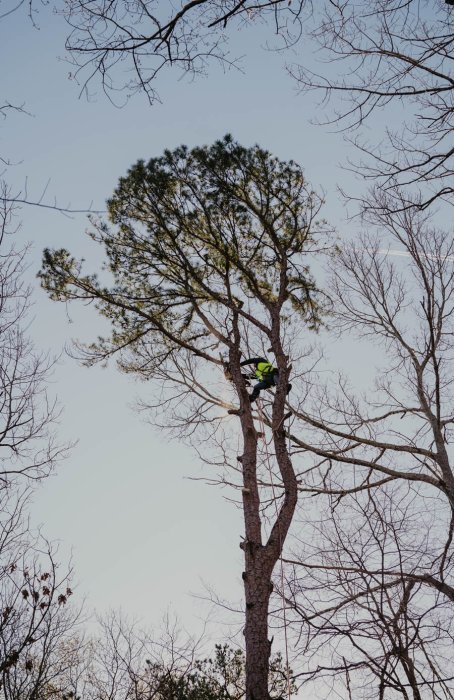
That kind of proximity makes equipment access tough. A crane can't set up when the stabilizer pads need twelve feet of clearance, and the tree's only eight feet from a fence. Bucket trucks need overhead space clear of power lines and enough lateral room for the boom. When those conditions aren't there, crews switch to climbers and rigging systems. The arborist goes up the tree in sections, ropes each piece, and lowers it down without letting anything drop freely. It takes more time, but it keeps the surrounding structures safe.
Homeowners should measure distances before scheduling tree removal in Indian Trail. Walk around the perimeter and note where the canopy reaches. Look for overhead wires, underground sprinkler lines, and decorative hardscaping. Pass those details along upfront so the crew can make a plan and bring the right equipment. Making assumptions is what creates delays and added costs.
A tree standing within three feet of a property line introduces liability questions and logistical challenges. If the trunk crosses the boundary, both property owners share legal responsibility in most cases. That means you may need written permission from your neighbor before a tree company in Indian Trail can proceed. Without it, the removal could trigger disputes or even legal action.
When it comes to caring for your trees, you need a team you can rely on. Sesmas Tree Service is committed to safe work practices, honest pricing, and dependable service from start to finish. Here’s what sets us apart.

Storm damage or unexpected tree issues? We offer fast, reliable emergency tree services when you need them most.

As a local business, we care about our community and treat every property with the respect it deserves.

From trimming and pruning to removal and cleanup, we handle all aspects of tree care with expertise.

No hidden fees or surprises—just fair, transparent pricing for quality tree care services.

Our skilled team has years of hands-on experience handling trees of all sizes safely and efficiently.

Every job is performed with strict safety measures to protect your property, our team, and the surrounding area.
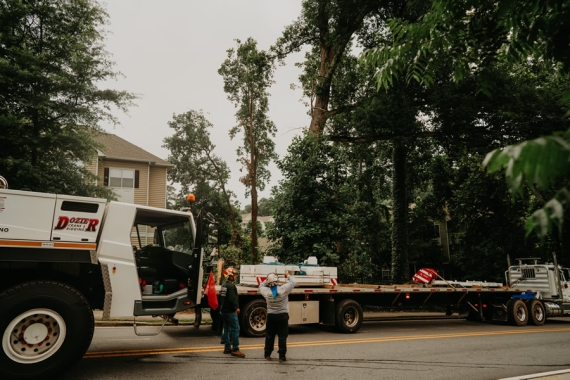
An easement gives a utility company, municipality, or neighbor the right to access part of your property. When a tree grows in or near an easement, you may need approval from the entity holding the right before removal can happen. Power companies watch trees near transmission lines closely. Sometimes they'll do the tree cutting themselves if limbs are threatening the grid. In other situations, they'll sign off on your contractor but require paperwork before anyone starts.
HOA rules create another hurdle. A lot of associations limit tree service in Indian Trail to maintain neighborhood aesthetics or protect shared green spaces. You could be asked to submit a removal request with photos, your reason for the work, and a timeline. Some boards get back to you within a week, while others drag out longer. Getting your request in early prevents the approval process from stalling the whole project.
Utility locates are required by law. Call 811 at least two business days before the removal is scheduled. They'll mark underground gas, electric, water, and cable lines free of charge. Skipping this damages infrastructure, leads to fines, and puts the crew at risk. One quick call avoids all of it.
Any tree within ten feet of a foundation, roofline, or exterior wall calls for careful planning. Limbs hanging over shingles or brushing siding can break loose during removal and crack gutters, dent panels, or shatter windows. Roots may have pushed under the foundation, and removing the stump could destabilize soil or damage underground plumbing. The tree can still come down, but the crew has to map out every step first.
The climbers handle it in stages. Upper branches come off to cut down on weight and wind resistance. Then the trunk gets sectioned from the top down, and each piece is lowered with ropes that are anchored to a stable point away from the house. On the ground, crew members guide each piece and set it down so nothing bounces or rolls into the structure. A tree leaning toward the house may need a crane to lift the trunk clear in one controlled motion.
A half-acre lot with open lawn offers room for equipment staging, debris piles, and safe drop zones. A 6,000 square foot lot with a pool, patio, and landscaping beds leaves little space for anything. Tight yards force crews to adjust their approach. They can't fell the tree in one piece because there's nowhere for it to land. They can't stack wood near the stump because the pile would block access to the rest of the trunk.
In compact yards, tree pruning and sectioning become the default. The climber cuts and lowers pieces in a sequence that keeps the workspace clear. Each section gets moved to a staging area near the street as soon as it's down. The stump grinder follows once the trunk is gone, and pulverizes the base below grade so grass or new plantings can take root. The entire process happens in phases to match the available space.
Larger properties allow for different tactics. During an emergency tree removal in Indian Trail, technicians can drop sections into the open lawn, stack them temporarily, and run everything through a chipper in one pass. The work moves faster, and cleanup takes less time. If you're planning multiple removals, a bigger yard lets the crew handle them back to back without repositioning equipment.
Neighborhoods with shared driveways, narrow streets, and limited parking make access difficult. A chipper truck, a log truck, and a crane can't all line up in front of one house without blocking traffic or driveways. Crews work with neighbors to park equipment in a way that keeps disruption to a minimum. Sometimes vehicles need to be staged a few houses down with debris hauled out by hand.
Noise is another consideration. Chainsaws, chippers, and stump grinders are loud. Most municipalities limit noisy work to daytime hours on weekdays. If your HOA has stricter rules, pass those along to the tree company in Indian Trail when you're scheduling. A crew showing up at 7 a.m. on a Saturday could violate local ordinances and bring complaints.
Talking to your neighbors ahead of time cuts down on friction. Let them know the date, how long you expect it to take, and any temporary impacts like blocked access or debris near the curb. Most people appreciate the heads up, and it gives them a chance to move vehicles or adjust their plans.
An emergency tree removal in Indian Trail takes planning, precision, and clear communication. At Sesmas Tree Service, we handle the logistics so you don't have to. Contact us to schedule an assessment with an experienced arborist and get a detailed plan for your property. Our team also offers routine tree trimming and tree pruning. We work with your schedule, respect your space, and leave your lot cleaner than we found it.
info@sesmastreeservice.com
Tree work is dangerous without proper training and equipment. A professional tree company has the knowledge, tools, and insurance to get the work done right - and safely. You’ll save time, reduce risks, and be certain the work is done right.
Stay updated with the latest tips, trends, and insights from Sesmas. Explore expert advice on tree care, safety, and maintenance to keep your landscape healthy and beautiful year-round.
View All
Trees play a crucial role in residential and commercial landscapes. However, these magnificent entities can either be an asset or a…
Read More
A lush, beautiful landscape doesn’t just happen by accident. It requires consistent care, professional oversight, and proactive planning to ensure greenery…
Read More
Trees provide many benefits to our landscapes and the environment. However, certain situations require complete tree removal, such as diseases, obstruction…
Read More
Trees provide numerous benefits, such as shade, curb appeal, and higher property value. However, they can pose serious risks when growth…
Read More