Trees provide many benefits to our landscapes and the environment. However, certain situations require complete tree removal, such as diseases, obstruction of sightlines, and death. Whatever your reason is for removing a tree, the roots left behind can cause a lot of damage to your property. At Sesmas Tree Service, we can analyze the root growth of different tree species on your property and recommend effective solutions to keep your outdoor spaces safe, aesthetically appealing, and functional. Let’s explore the reasons roots are resilient and why they continue to grow after cutting down a tree.
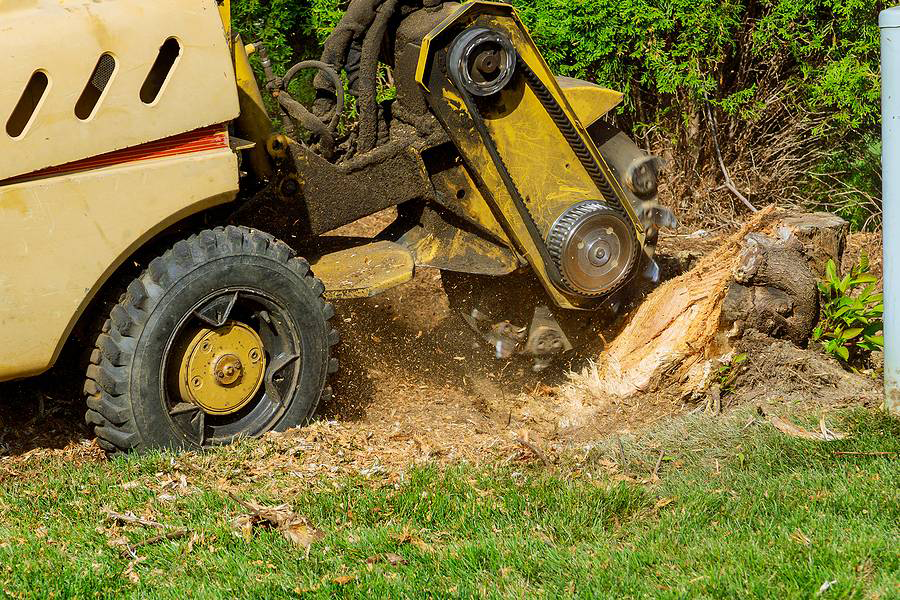
One of the main reasons roots continue growing even after tree removal is the presence of stored energy. Roots grow deep into the soil searching for vital nutrients and water, which are necessary for growth and good health. When you cut down a tree, the stored energy in the roots can fuel continued root activity, resulting in growth.
In some cases, the stored carbohydrates and nutrients can sustain new growth, leading to shoots or suckers emerging from the root bulb. This is a common occurrence in resilient tree species, such as poplar, cottonwood, aspen, and willows, which allow the root system to function as though the tree were still partially intact.
 Stump Grinding
So, you have had a tree removed or you plan on removing a tree. What do you do about the stump?…
Learn More Storm Damage Cleanup
Storms can leave behind broken limbs, split trunks, and fallen trees that block access and threaten nearby structures. In those moments,…
Learn More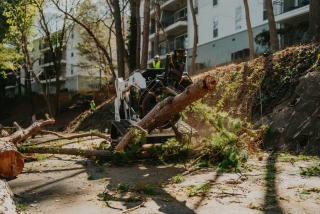 Emergency Tree Services
That inanimate tree standing outside on your lawn may seem harmless, but it can surely cause a lot of damage. There…
Learn More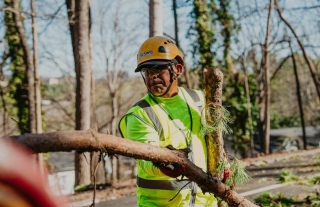 Tree Services
Are you looking for a trusted tree service or tree removal in Atlanta? Look no further as…
Learn More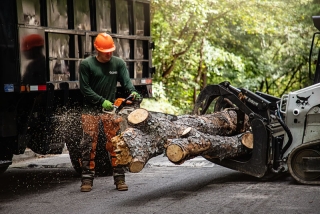 Tree Removal
The reasons for tree removal vary quite a bit. Perhaps you've moved into a new home and want to get…
Learn More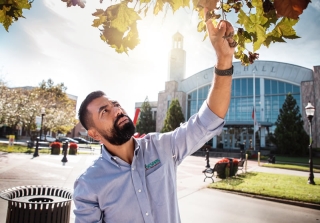 Tree Risk Assessment
Tree risk assessment is essentially when a professional arborist analyzes a tree and concludes just how much of a risk it…
Learn More Land Clearing & Forestry Mulching
Not every tree removal business can handle large-scale site clearing and site preparation projects like Sesmas Tree Service can. We…
Learn More Arborist Services
Your Trusted Local Arborists in The Metro Atlanta Trees are a lot more than a trunk, some branches,…
Learn MoreAnother common reason for growing roots after tree removal is delayed root death. Unlike leaves, which wither without sunlight, roots are insulated underground. This means that they are less exposed to environmental stress and can sustain biological processes for a period of time. As a result, roots absorb nutrients and water, even if there is no longer a trunk that needs support.
Over time, inefficient energy production eventually leads to decline. This process can take weeks, months, or even longer, depending on the tree species and environmental conditions. The best way to avoid such situations is to hire a tree company for stump removal services. Professionals use specialized excavation equipment to dig trenches and remove the entire root system.
Did you know that roots keep growing due to their natural regenerating ability? Some tree species are programmed to survive disturbances, like removing the main structure. Roots may interpret this as damage rather than death and continue their search for nutrients that support growth.
If left unattended, growing roots can activate dormant buds and begin producing new shoots from the ground or the remaining root bulb. This is a common process known as root sprouting, which activates instinctively when a tree is cut and tries to grow back. Resilient species, such as poplars and willows, are popular for this behavior, prompting the expertise of tree service providers to fully eliminate.
Even after a successful tree removal project, the root system remains embedded in the soil. This continued interaction with the surrounding environment allows roots to absorb nutrients and moisture, exchange gases, and even support microbial life. Over time, this ongoing contact creates the illusion that the roots are still actively growing.
In reality, roots may not expand significantly, but they are still functioning. Soil organisms, including bacteria and fungi, often maintain relationships with the root system. These interactions can sustain root activity for a long time, especially in nutrient-rich soil. The most effective way to stop root activity is to hire a tree service for complete stump removal. This involves excavating the stump and attached roots, leaving behind a clean slate for future projects.
While continued root growth after tree removal is not a cause for concern initially, it can pose risks to your home and loved ones. Contact Sesmas Tree Service to learn effective ways we can help fully stop the root system.
Stay updated with the latest tips, trends, and insights from Sesmas. Explore expert advice on tree care, safety, and maintenance to keep your landscape healthy and beautiful year-round.
View All
Trees provide many benefits to our landscapes and the environment. However, certain situations require complete tree removal, such as diseases, obstruction…
Read More
Trees provide numerous benefits, such as shade, curb appeal, and higher property value. However, they can pose serious risks when growth…
Read More.webp)
When heavy rains, strong winds, and ice hit, even healthy and strong trees can become hazardous. The combination of harsh weather…
Read More
Trees enhance curb appeal and property value. However, they can also pose safety risks if left unattended for long. At Sesmas…
Read More
Trees are magnificent green giants that provide numerous benefits to landscapes and the environment. However, emergencies can arise when you least…
Read More
As a homeowner, dealing with pest infestations can be stressful and expensive. This is particularly true if you are looking to…
Read More
When it comes to enhancing property value, many people often focus on flooring, bathrooms, kitchens, and interior floors. However, many do…
Read More
Trees are essential to our landscapes and the environment. These magnificent entities provide us with clean air, shade, a habitat for…
Read More